
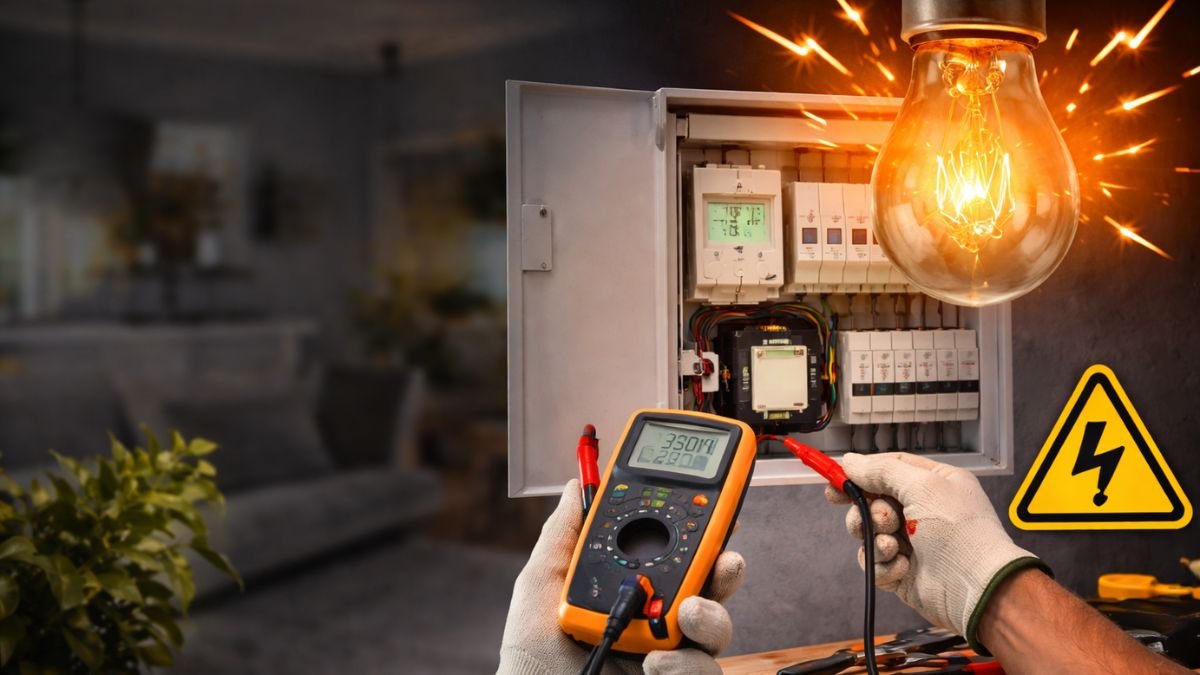
Flickering lights are more than just an annoyance—they can signal underlying electrical issues that may pose safety risks if ignored.
Whether it’s a subtle dimming when you turn on an appliance or frequent, noticeable flickers throughout your home, understanding the cause is essential.
In 2026, with homes becoming more energy-dependent and appliance-heavy, electrical stability is more important than ever. This guide explains why lights flicker, what it means, and how you can fix it effectively.
What Does Flickering Light Mean?
Flickering occurs when there is an inconsistent flow of electricity to your lighting fixtures. This inconsistency can be caused by minor issues like loose bulbs or more serious problems such as faulty wiring or overloaded circuits. Recognizing the pattern of flickering is the first step toward diagnosing the problem.
Common Causes of Flickering Lights
1. Loose Bulbs or Fixtures
A loose bulb is one of the simplest and most common reasons for flickering lights. If the bulb isn’t securely connected to the socket, it may intermittently lose contact, causing flickering.
2. Voltage Fluctuations
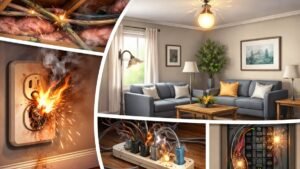
Electrical systems are designed to maintain a stable voltage level. However, fluctuations can occur when high-powered appliances like air conditioners or refrigerators turn on, causing lights to dim or flicker temporarily.
3. Overloaded Circuits
When too many devices are connected to a single circuit, it can overload the system. This reduces the amount of power available to each device, leading to flickering lights.
4. Faulty Light Switches
A worn-out or defective switch can interrupt the flow of electricity, causing inconsistent lighting performance.
5. Poor Wiring Connections
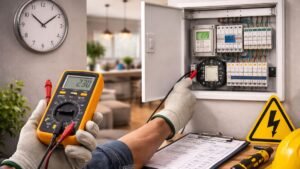
Loose or outdated wiring can lead to unstable electrical flow. This is a serious issue and should be addressed immediately to avoid fire hazards.
6. Issues with Utility Supply
Sometimes the problem isn’t inside your home. External factors such as power grid instability or nearby heavy electrical usage can cause temporary flickering.
Types of Flickering and What They Indicate
1. Occasional Flickering
This usually happens when large appliances start up. It’s often harmless but should still be monitored.
2. Frequent Flickering
If your lights flicker regularly, it could indicate a more serious issue like overloaded circuits or wiring problems.
3. Flickering in One Room Only
This suggests a localized issue such as a faulty fixture or switch.
4. Flickering Throughout the House
This is a red flag that may indicate a main electrical panel issue or problems with your utility connection.
How to Fix Flickering Lights
1. Basic Fixes You Can Do Yourself
Tighten the Bulb
Ensure the bulb is properly screwed into the socket. This simple fix often resolves minor flickering issues.
Replace the Bulb
Old or incompatible bulbs, especially LEDs with poor drivers, can flicker. Replace them with high-quality options.
Check the Light Switch
If the switch feels loose or makes a crackling sound, it may need replacement.
Reduce Load on Circuit
Unplug some devices from overloaded circuits and distribute them across different outlets.
2. Intermediate Fixes
Upgrade to Compatible Dimmer Switches
Not all LED bulbs are compatible with traditional dimmers. Installing an LED-compatible dimmer can eliminate flickering.
Inspect Circuit Breakers
Check your electrical panel for tripped breakers or signs of wear. Reset if necessary, but repeated tripping requires professional inspection.
Stabilize Voltage
Installing a voltage stabilizer can help maintain consistent power flow, especially in areas with unstable electricity supply.
3. Professional Fixes
Wiring Inspection and Repair
An electrician can identify loose or damaged wiring and fix it safely. This is crucial for preventing electrical fires.
Electrical Panel Upgrade
Older panels may not handle modern power demands. Upgrading your panel ensures better distribution of electricity.
Utility Line Check
If the issue originates outside your home, your electricity provider may need to inspect and repair the supply line.
Safety Risks of Ignoring Flickering Lights
Ignoring flickering lights can lead to serious consequences. Loose wiring can generate heat, increasing the risk of electrical fires.
Voltage instability can damage appliances and reduce their lifespan. In extreme cases, it may even result in complete power failure. Therefore, timely diagnosis and repair are essential.
Preventive Measures to Avoid Flickering Lights
1. Regular Electrical Maintenance
Schedule periodic inspections of your home’s electrical system to catch issues early.
2. Avoid Overloading Circuits
Distribute electrical devices evenly across circuits to prevent overload.
3. Use Quality Electrical Components
Invest in high-quality bulbs, switches, and wiring materials for long-term reliability.
4. Upgrade Outdated Systems
Older homes may require electrical upgrades to meet modern energy demands.
5. Monitor Appliance Usage
Be mindful of how many heavy appliances run simultaneously.
When Should You Call an Electrician?
If flickering persists after basic troubleshooting, or if you notice burning smells, buzzing sounds, or sparks, it’s time to call a professional. Electrical issues can escalate quickly and should not be handled without proper expertise.
Flickering lights are often a warning sign that something isn’t right with your electrical system. While some causes are minor and easy to fix, others require immediate professional attention.
By understanding the root causes and applying the right solutions, you can ensure a safe and stable electrical environment in your home.
Regular maintenance and timely upgrades will not only eliminate flickering but also improve overall energy efficiency and safety.
FAQs
1. Why do my lights flicker when I turn on appliances?
This usually happens due to temporary voltage drops when high-power appliances draw extra electricity.
2. Are flickering lights dangerous?
They can be. Minor issues are harmless, but persistent flickering may indicate wiring problems or fire hazards.
3. Can LED bulbs cause flickering?
Yes, especially if they are incompatible with dimmer switches or of low quality.