
Electricity powers nearly every aspect of modern life, from lighting and appliances to communication and security systems.
Yet, many homeowners and business owners overlook early warning signs of electrical issues until they become dangerous or costly. Knowing when to call an electrician can prevent serious hazards such as fires, equipment damage, or even personal injury.

In this detailed guide, we will explore the most important signs that indicate you need a professional electrician, why these issues occur, and how timely intervention can save you money and ensure safety.
Understanding the Importance of Electrical Safety
Electrical systems are complex and require proper installation, maintenance, and repair. Even minor faults can escalate quickly if ignored. Professional electricians are trained to diagnose problems accurately and follow safety standards that reduce risks.
Ignoring electrical issues can lead to:
- Fire hazards due to overheating wires
- Damage to expensive appliances
- Frequent power disruptions
- Increased electricity bills
- Risk of electric shocks

Recognizing early warning signs is the first step toward preventing these problems.
Common Signs You Need an Electrician
1. Frequent Circuit Breaker Trips
Circuit breakers are designed to protect your electrical system by cutting off power when there is an overload or fault. However, if your breaker trips frequently, it is a sign of a deeper issue.
Possible causes include:
- Overloaded circuits
- Short circuits
- Ground faults
- Faulty appliances

If resetting the breaker becomes a regular task, it is time to call an electrician to inspect your system.
2. Flickering or Dimming Lights
Lights that flicker or dim unexpectedly may seem like a minor annoyance, but they often indicate unstable voltage or wiring problems.
Common reasons:
- Loose wiring connections
- Overloaded circuits
- Issues with the main electrical panel
If the problem affects multiple rooms or persists, professional inspection is necessary.
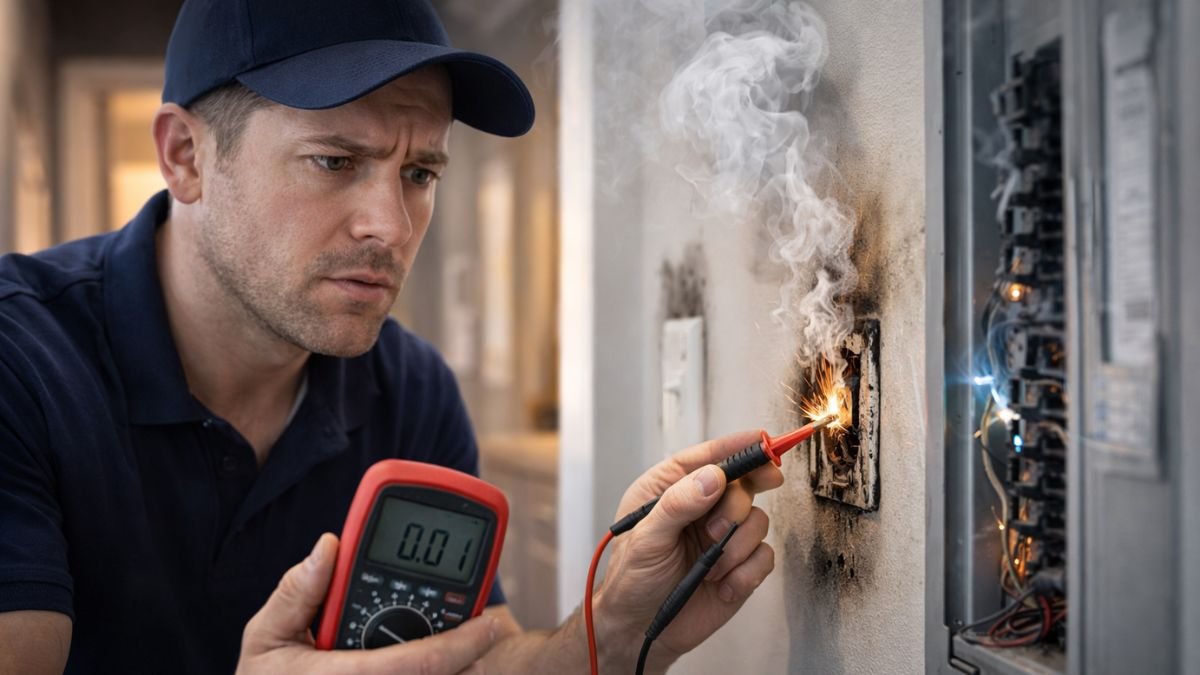
3. Burning Smell or Scorch Marks
A burning odor coming from outlets, switches, or electrical panels is a serious warning sign.
This could indicate:
- Overheating wires
- Melting insulation
- Electrical arcing
Scorch marks around outlets or switches should never be ignored, as they may lead to electrical fires.
4. Dead Outlets or Switches
If an outlet or switch suddenly stops working, it may be due to internal wiring issues or a tripped circuit.
Possible causes:
- Loose connections
- Damaged wiring
- Faulty outlet components
An electrician can safely diagnose and repair the issue without risking further damage.
5. Buzzing Sounds from Electrical Fixtures
Electricity should operate silently. Any buzzing or humming noise from outlets, switches, or lights is a sign of trouble.
This may be caused by:
- Loose wiring
- Faulty fixtures
- Electrical arcing
Immediate attention is required to prevent hazards.
6. Warm or Sparking Outlets
Outlets should never feel warm to the touch. Sparks when plugging in devices are also a warning sign.
These issues may indicate:
- Overloaded outlets
- Faulty wiring
- Loose connections
Ignoring this can lead to severe electrical damage or fire.
7. High Electricity Bills Without Explanation
A sudden increase in your electricity bill without increased usage can point to inefficiencies or faults in your electrical system.
Possible reasons include:
- Faulty wiring
- Energy leaks
- Inefficient or malfunctioning appliances
An electrician can identify the root cause and help optimize energy usage.
8. Outdated Wiring or Old Electrical Systems
Older homes often have outdated wiring systems that may not meet current safety standards.
Signs of outdated wiring:
- Two-prong outlets instead of three-prong
- Lack of grounding
- Use of aluminum wiring
- Frequent electrical issues
Upgrading your wiring ensures safety and supports modern electrical demands.
9. Electric Shocks When Plugging Devices
Even a mild shock when plugging in or touching an appliance indicates a serious issue.
This could be due to:
- Improper grounding
- Faulty wiring
- Damaged appliances
Do not ignore this sign, as it poses a direct safety risk.
10. Extension Cord Overuse
Relying heavily on extension cords suggests your electrical system cannot handle your needs.
This can lead to:
- Overloaded circuits
- Fire hazards
- Reduced efficiency
Installing additional outlets by a professional electrician is a safer solution.
Situations Where You Must Call an Electrician Immediately
1. After a Power Surge or Lightning Strike
Power surges can damage your electrical system and connected devices. Even if everything appears normal, hidden damage may exist.
2. During Renovations or New Installations
Any electrical work during renovations should be handled by a licensed electrician to ensure compliance with safety standards.
3. Installing High-Power Appliances
Appliances like air conditioners, ovens, and water heaters require proper wiring and dedicated circuits.
4. Rewiring or Panel Upgrades
Upgrading your electrical panel or rewiring your home is complex and must be done by professionals.
Risks of Ignoring Electrical Problems
Ignoring electrical issues can lead to severe consequences:
- Electrical fires
- Equipment failure
- Increased repair costs
- Safety hazards for occupants
Early intervention is always more cost-effective than dealing with major damage later.
Benefits of Hiring a Professional Electrician
1. Safety Assurance
Electricians follow strict safety protocols, reducing the risk of accidents.
2. Accurate Diagnosis
Professionals can identify hidden issues that may not be visible to untrained individuals.
3. Long-Term Cost Savings
Proper repairs prevent recurring problems and reduce energy waste.
4. Compliance with Regulations
Licensed electricians ensure all work meets local electrical codes and standards.
How to Choose the Right Electrician
1. Check Licensing and Certification
Always hire a licensed and certified electrician to ensure quality work.
2. Look for Experience
Experienced electricians can handle complex issues efficiently.
3. Read Reviews and Testimonials
Customer feedback provides insight into reliability and service quality.
4. Ask for Transparent Pricing
Clear pricing helps avoid unexpected costs.
Preventive Electrical Maintenance Tips
Regular maintenance can help prevent major electrical issues:
- Inspect wiring periodically
- Avoid overloading outlets
- Replace damaged cords immediately
- Schedule professional inspections
- Upgrade outdated systems
Taking proactive steps can extend the lifespan of your electrical system and improve safety.
Electrical problems often start small but can quickly escalate into serious hazards if ignored. From flickering lights and frequent breaker trips to burning smells and electric shocks, these warning signs should never be overlooked.
Calling a professional electrician at the right time ensures your safety, protects your property, and saves you from costly repairs in the future.
Being proactive about electrical maintenance and recognizing early signs of trouble is the best way to keep your home or business running smoothly and safely.
FAQs
1. How do I know if an electrical problem is serious?
If you notice burning smells, sparks, frequent breaker trips, or electric shocks, the issue is serious and requires immediate professional attention.
2. Can I fix electrical issues myself?
Minor tasks like changing bulbs are safe, but most electrical repairs should be handled by licensed electricians to avoid risks.
3. How often should I have my electrical system inspected?
It is recommended to have a professional inspection every 3 to 5 years, or sooner if you notice any warning signs.