
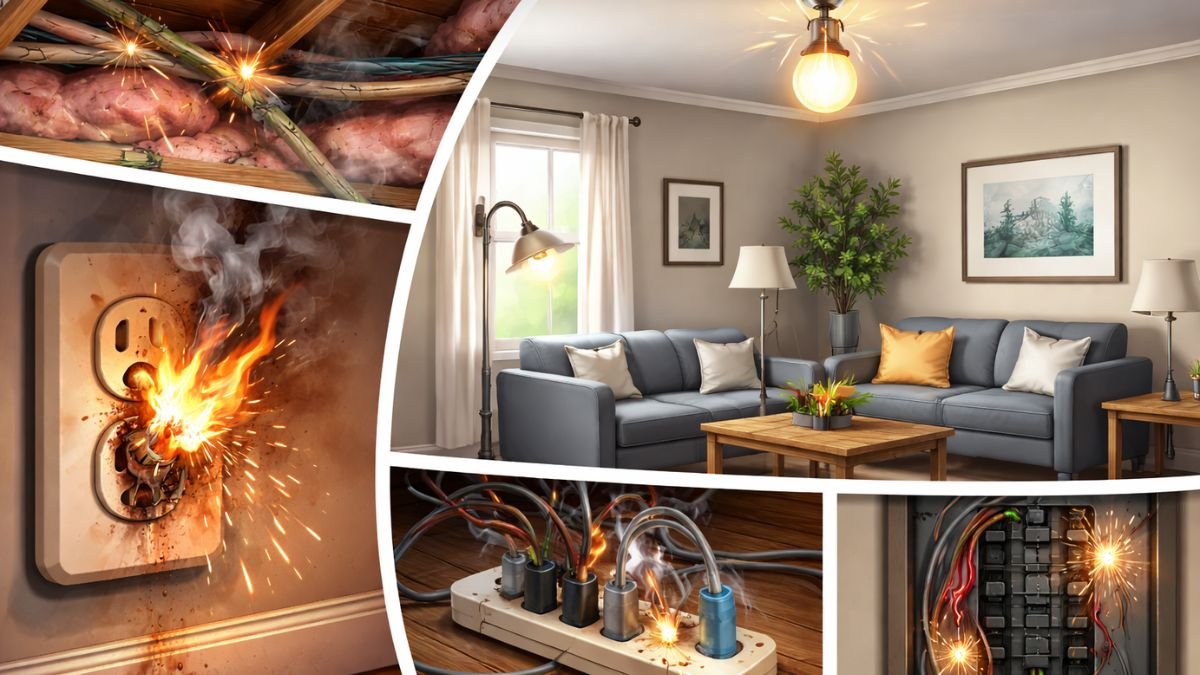
Electrical wiring is the backbone of every modern home, silently powering appliances, lighting, and essential systems. However, when wiring becomes outdated, damaged, or improperly installed, it can pose serious risks including electrical fires, shocks, and costly damage.
Many homeowners are unaware of the warning signs until a major issue occurs. Understanding these signs early can help you take action before a minor problem turns into a dangerous situation.
In this guide, we will explore the seven key signs that indicate your home wiring may be unsafe and what you should do about it.
Why Electrical Wiring Safety Matters
Safe wiring ensures consistent power supply, protects your appliances, and most importantly, keeps your home and family safe. Faulty wiring is one of the leading causes of residential fires worldwide. Regular awareness and timely intervention can significantly reduce these risks.
1. Frequent Circuit Breaker Trips
What It Means
Circuit breakers are designed to protect your home by shutting off power when circuits become overloaded. If your breaker trips frequently, it’s a clear indication that something is wrong.
Possible Causes
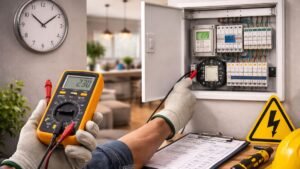
Overloaded circuits, short circuits, or faulty wiring are common reasons behind repeated tripping.
Why It’s Dangerous
Ignoring frequent breaker trips can lead to overheating wires, increasing the risk of electrical fires.
What You Should Do
Reduce the load on the circuit and consult a professional electrician to inspect your wiring system.
2. Flickering or Dimming Lights
What It Means
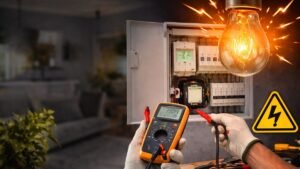
Lights that flicker or dim unexpectedly are often a sign of unstable electrical flow.
Possible Causes
Loose wiring connections, voltage fluctuations, or overloaded circuits can cause this issue.
Why It’s Dangerous
Inconsistent voltage can damage appliances and indicate deeper wiring problems.
What You Should Do
Check for loose bulbs or switches, and if the issue persists, seek professional inspection.
3. Burning Smell or Scorch Marks
What It Means
A burning smell coming from outlets or switches is a serious warning sign.
Possible Causes
Overheated wires, faulty connections, or melting insulation may be the cause.
Why It’s Dangerous
This is a strong indicator of an imminent electrical fire risk.
What You Should Do
Immediately turn off power to the affected area and contact an electrician without delay.
4. Warm or Discolored Outlets
What It Means
Outlets that feel warm to the touch or show discoloration indicate overheating.
Possible Causes
Loose connections, excessive load, or internal damage to the outlet.
Why It’s Dangerous
Heat buildup can lead to melted components and fire hazards.
What You Should Do
Stop using the outlet and have it inspected and replaced if necessary.
5. Buzzing or Crackling Sounds
What It Means
Electrical systems should operate silently. Any buzzing or crackling noise is abnormal.
Possible Causes
Loose wiring, faulty switches, or damaged electrical components.
Why It’s Dangerous
These sounds often indicate arcing, which can ignite nearby materials.
What You Should Do
Turn off the affected circuit and call a professional electrician immediately.
6. Outdated or Old Wiring
What It Means
Homes with wiring older than 20–30 years may not meet modern safety standards.
6.2 Possible Causes
Aging materials, outdated installation methods, or increased power demand.
Why It’s Dangerous
Old wiring may not handle modern electrical loads, increasing the risk of overheating and failure.
What You Should Do
Consider a full electrical inspection and upgrade your wiring system if needed.
7. Electric Shocks When Touching Appliances
What It Means
Feeling a mild shock when touching appliances is a clear sign of grounding issues.
Possible Causes
Improper earthing, faulty wiring, or damaged appliance cords.
Why It’s Dangerous
Electric shocks can lead to serious injury and indicate a major safety hazard.
What You Should Do
Stop using the appliance immediately and have both the appliance and wiring inspected.
Additional Warning Signs You Should Not Ignore
1. Frequently Blown Fuses
Old fuse systems that blow regularly may indicate overloaded or faulty circuits.
2. Loose or Sparking Switches
Switches that spark when turned on or off are a major red flag.
3. Rodent Damage to Wiring
Chewed wires can expose live conductors, increasing fire risk.
4. Extension Cord Overuse
Relying heavily on extension cords suggests insufficient wiring capacity.
What Causes Unsafe Wiring in Homes
1. Poor Installation Practices
Improper wiring during construction or renovation can lead to long-term safety issues.
2. Lack of Maintenance
Ignoring regular inspections allows minor issues to escalate.
3. Increased Power Demand
Modern homes use more appliances, putting extra stress on older systems.
4. Environmental Factors
Moisture, heat, and pests can damage wiring over time.
How to Fix Unsafe Wiring
1. Conduct a Professional Inspection
A licensed electrician can identify hidden issues and recommend solutions.
2. Upgrade Electrical Panels
Modern panels can handle higher loads safely.
3. Replace Damaged Wiring
Faulty or worn-out wires should be replaced immediately.
4. Install Safety Devices
Devices like circuit breakers, surge protectors, and RCDs enhance safety.
Preventive Measures to Ensure Safe Wiring
1. Schedule Regular Inspections
Routine checks help detect problems early.
2. Avoid Overloading Circuits
Distribute electrical load evenly across circuits.
3. Use Certified Electrical Products
Quality components reduce the risk of failure.
4. Educate Household Members
Teach basic electrical safety practices to everyone at home.
When Should You Call an Electrician?
If you notice any of the signs mentioned above, especially burning smells, shocks, or frequent breaker trips, you should contact a professional immediately. Electrical issues are not something to delay, as they can escalate quickly and pose serious risks.
Unsafe wiring is one of the most serious hidden dangers in any home. While some warning signs may seem minor, they often point to deeper electrical issues that require immediate attention.
By recognizing the seven key signs—such as flickering lights, burning smells, and frequent breaker trips—you can take proactive steps to protect your home and family.
Regular inspections, timely repairs, and system upgrades are essential for maintaining a safe and reliable electrical system. Don’t wait for a major failure—act early and ensure your home wiring is secure and up to modern standards.
FAQs
1. How can I tell if my home wiring is outdated?
If your home is over 20–30 years old and hasn’t been updated, it’s likely the wiring needs inspection or replacement.
2. Is flickering light always a wiring issue?
Not always, but persistent flickering often indicates loose wiring or circuit overload problems.
3. How often should wiring be inspected?
A professional inspection is recommended every 5–10 years, or sooner if warning signs appear.