


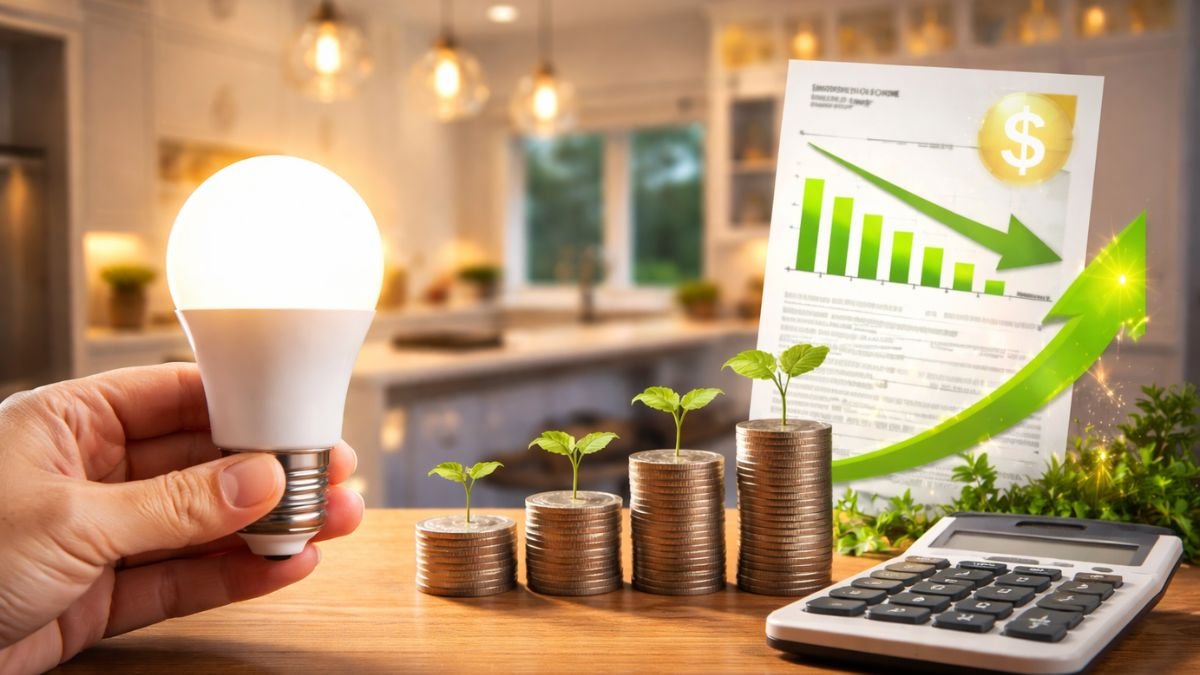
Electricity costs are a growing concern for homeowners, especially as modern lifestyles depend heavily on lighting and electrical appliances.
One of the simplest and most effective ways to reduce energy consumption is by switching to LED lighting. LED lights are energy-efficient, long-lasting, and environmentally friendly, making them a smart investment for any home.


In this comprehensive guide, you will learn how LED lighting works, why it saves electricity, and how it can significantly reduce your monthly electricity bills.
Understanding LED lighting technology
LED stands for Light Emitting Diode. Unlike traditional incandescent or fluorescent bulbs, LEDs produce light through a semiconductor process that converts electrical energy directly into light.
1. How LED lights work
LEDs use a diode that emits light when electricity passes through it. This process generates very little heat, making LEDs more efficient compared to traditional bulbs.
2. Difference between LED and traditional bulbs

Incandescent bulbs waste most of their energy as heat, while LEDs use energy more efficiently to produce light. Fluorescent bulbs are more efficient than incandescent ones but still consume more power than LEDs.
3. Energy efficiency explained
LEDs consume significantly less electricity for the same level of brightness, which directly reduces energy usage and costs.
How LED lighting reduces electricity bills
1. Lower energy consumption
LED bulbs use up to 75 to 85 percent less electricity than traditional incandescent bulbs, resulting in immediate savings on energy bills.
2. Reduced heat generation

Since LEDs produce minimal heat, they reduce the load on cooling systems such as air conditioners, indirectly saving more energy.
3. Longer lifespan
LED bulbs last much longer than traditional bulbs, reducing the frequency of replacements and saving money over time.
4. Efficient light output
LEDs provide better illumination with less power, ensuring that energy is used effectively.
Comparing LED lighting with traditional options
1. Incandescent bulbs
These bulbs are inexpensive but highly inefficient, converting most energy into heat instead of light.
2. CFL bulbs
Compact fluorescent lamps are more efficient than incandescent bulbs but still consume more power than LEDs and contain hazardous materials like mercury.
3. LED bulbs
LEDs are the most energy-efficient option, offering long lifespan, durability, and lower electricity consumption.
Cost savings over time
1. Initial investment vs long-term savings
While LED bulbs may cost more initially, their energy efficiency and longevity result in significant savings over time.
2. Reduced maintenance costs
Fewer replacements mean lower maintenance expenses.
3. Lower electricity bills
Consistent reduction in energy usage leads to noticeable savings on monthly bills.
Calculating potential savings
1. Energy usage comparison
Replacing a 60-watt incandescent bulb with a 10-watt LED can save a substantial amount of electricity annually.
2. Annual cost savings
The difference in energy consumption can translate into significant yearly savings, especially in homes with multiple light fixtures.
3. Long-term financial benefits
Over several years, the cumulative savings can outweigh the initial cost of LED bulbs.
Environmental benefits of LED lighting
1. Reduced carbon footprint
Lower energy consumption means fewer greenhouse gas emissions.
2. Less waste
LEDs last longer, reducing the number of bulbs discarded.
3. No hazardous materials
Unlike CFLs, LEDs do not contain harmful substances like mercury.
Types of LED lighting for homes
1. LED bulbs
Suitable for general lighting in living rooms, bedrooms, and kitchens.
2. LED strip lights
Ideal for decorative and accent lighting.
3. LED downlights
Commonly used in modern interiors for focused illumination.
4. Outdoor LED lighting
Designed for durability and energy efficiency in outdoor spaces.
Choosing the right LED lights
1. Brightness levels
Measured in lumens, brightness should match the intended use of the space.
2. Color temperature
Warm white for cozy spaces, cool white for work areas, and daylight for bright environments.
3. Energy ratings
Look for high energy efficiency ratings to maximize savings.
4. Compatibility
Ensure LED bulbs are compatible with existing fixtures and dimmers.
Common myths about LED lighting
1. LEDs are too expensive
Although initial costs are higher, long-term savings make them more economical.
2. LEDs are not bright enough
Modern LEDs provide excellent brightness and are available in various intensities.
3. LEDs have poor color quality
Advancements in technology have improved color rendering significantly.
Tips to maximize savings with LED lighting
1. Replace high-usage bulbs first
Focus on areas where lights are used most frequently.
2. Use smart lighting systems
Automated systems can further reduce energy consumption.
3. Install dimmers
Adjusting brightness levels can save additional energy.
4. Combine with natural lighting
Use daylight effectively to reduce reliance on artificial lighting.
LED lighting for different areas of your home
1. Living room
Use warm lighting for a comfortable atmosphere.
2. Kitchen
Bright, cool lighting improves visibility and efficiency.
3. Bedroom
Soft lighting creates a relaxing environment.
4. Outdoor spaces
Energy-efficient LEDs provide reliable lighting for security and aesthetics.
Maintenance and longevity of LED lights
1. Minimal maintenance required
LEDs require little upkeep due to their durability.
2. Proper installation
Correct installation ensures optimal performance and lifespan.
3. Avoid overheating
Ensure proper ventilation to maintain efficiency.
Future of LED lighting
LED technology continues to evolve with innovations such as smart lighting, improved efficiency, and integration with home automation systems. These advancements will further enhance energy savings and convenience.
Switching to LED lighting is one of the most effective ways to reduce electricity bills while improving lighting quality and sustainability.
With lower energy consumption, longer lifespan, and minimal maintenance, LEDs offer both financial and environmental benefits.
Although the initial investment may be higher, the long-term savings and performance advantages make LED lighting a smart choice for any homeowner. By making the transition to LEDs, you can enjoy a more energy-efficient home and significantly lower electricity costs.
FAQs
1. How much can LED lighting reduce electricity bills
LED lighting can reduce electricity consumption by up to 75 to 85 percent compared to traditional bulbs.
2. Are LED lights worth the investment
Yes, their long lifespan and energy efficiency provide significant savings over time.
3. Can I replace all my bulbs with LED lights
Yes, LEDs are available for most fixtures and can replace nearly all traditional bulbs.