


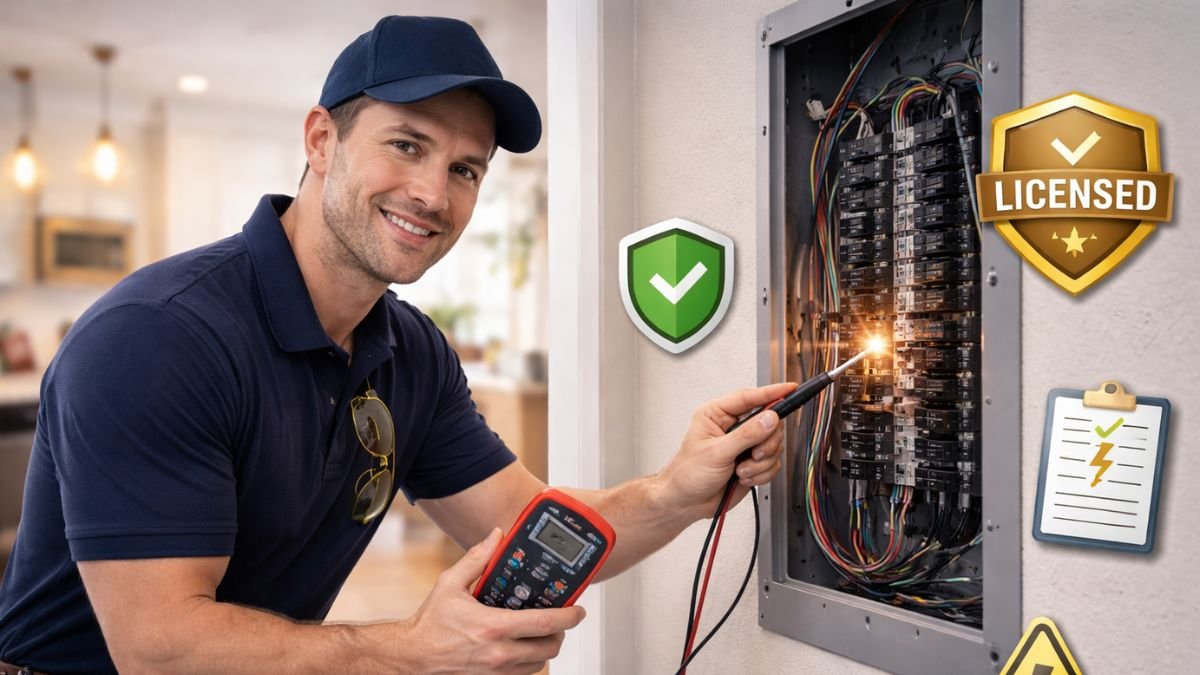
Electrical systems are the backbone of every modern home, powering everything from lighting and appliances to security systems and smart devices.
While some homeowners may consider handling electrical work themselves to save money, this approach can be risky and costly in the long run. Hiring a licensed electrician ensures that all electrical work is performed safely, efficiently, and in compliance with regulations.


In this comprehensive guide, we will explore why hiring a licensed electrician is essential for your home, the risks of DIY electrical work, and how professional expertise can protect your property and family.
Understanding what a licensed electrician does
A licensed electrician is a trained professional who has completed formal education, practical training, and certification requirements. They are qualified to install, maintain, and repair electrical systems while adhering to safety standards and building codes.
1. Installation services
Licensed electricians handle wiring, lighting installation, circuit setup, and electrical panel upgrades to ensure systems function properly.
2. Maintenance and inspections

Regular inspections and maintenance help identify potential issues before they become serious problems.
3. Repairs and troubleshooting
Electricians diagnose and fix faults such as power outages, faulty wiring, and overloaded circuits.
4. Safety compliance
They ensure all work meets local electrical codes and safety regulations.
The risks of DIY electrical work
1. Electrical hazards

Improper handling of electrical systems can lead to shocks, burns, or even fatal accidents.
2. Fire risks
Faulty wiring and poor connections are among the leading causes of house fires.
3. Code violations
DIY work often fails to meet legal standards, leading to fines or complications during property inspections.
4. Expensive repairs
Mistakes can cause damage that requires costly professional repairs later.
Benefits of hiring a licensed electrician
1. Ensures safety
Licensed electricians follow strict safety protocols to protect your home and family from electrical hazards.
2. High-quality workmanship
Professional training and experience result in reliable and durable electrical work.
3. Compliance with regulations
Licensed electricians understand and follow local building codes, ensuring your home remains legally compliant.
4. Proper diagnosis of problems
They can accurately identify the root cause of electrical issues and provide effective solutions.
5. Long-term cost savings
Although hiring a professional may seem expensive initially, it prevents costly repairs and replacements in the future.
Importance of electrical safety in homes
1. Preventing electrical fires
Proper installation and maintenance reduce the risk of fire caused by faulty wiring.
2. Protecting appliances
Correct electrical setup ensures appliances operate safely and efficiently.
3. Avoiding power surges
Electricians can install surge protection systems to safeguard your devices.
4. Ensuring child safety
Professional installations reduce risks for children and vulnerable individuals.
When should you hire a licensed electrician
1. Installing new wiring
New constructions or renovations require professional wiring to ensure safety and compliance.
2. Upgrading electrical panels
Older homes often need panel upgrades to handle modern electrical demands.
3. Frequent power outages
Recurring issues indicate underlying electrical problems that need expert attention.
4. Installing new appliances
Large appliances require proper connections to avoid overload and damage.
5. Home renovations
Electrical systems must be updated to match new layouts and requirements.
Cost vs value of hiring a licensed electrician
1. Initial investment
Professional services may cost more upfront compared to DIY solutions.
2. Long-term benefits
Reduced risk of accidents, fewer repairs, and improved system efficiency provide greater value over time.
3. Insurance and liability
Licensed electricians often carry insurance, protecting homeowners from liability in case of accidents.
Common electrical problems professionals can fix
1. Faulty wiring
Old or damaged wiring can cause serious hazards if not addressed promptly.
2. Circuit overloads
Electricians can upgrade systems to handle increased power demands.
3. Flickering lights
This may indicate loose connections or voltage fluctuations.
4. Tripping breakers
Frequent tripping suggests overloaded circuits or faulty components.
How licensed electricians ensure compliance
1. Knowledge of local codes
They stay updated with regulations and ensure all work meets legal requirements.
2. Proper permits
Licensed electricians handle necessary permits for electrical work.
3. Inspection readiness
Their work passes inspections, avoiding delays and penalties.
Choosing the right licensed electrician
1. Verify credentials
Ensure the electrician holds a valid license and certifications.
2. Check experience
Look for professionals with proven expertise in residential electrical work.
3. Read reviews
Customer feedback can help you assess reliability and service quality.
4. Compare quotes
Obtain multiple quotes to find a balance between cost and quality.
The role of electricians in modern smart homes
1. Smart device installation
Electricians help integrate smart lighting, security systems, and automation.
2. Energy efficiency solutions
They can recommend and install energy-saving systems.
3. Future-proofing your home
Professional installations ensure compatibility with future technologies.
Environmental and energy considerations
1. Energy-efficient systems
Licensed electricians can install systems that reduce energy consumption.
2. Renewable energy integration
They can assist with solar panel connections and other sustainable solutions.
3. Reducing carbon footprint
Efficient electrical systems contribute to a more eco-friendly home.
Common mistakes homeowners make
1. Hiring unqualified workers
Unlicensed individuals may offer lower prices but compromise safety and quality.
2. Ignoring warning signs
Delaying repairs can lead to bigger problems.
3. Overloading circuits
Using too many devices on a single circuit can cause damage and hazards.
4. Skipping regular inspections
Routine checks are essential for maintaining a safe electrical system.
Tips for maintaining a safe electrical system
1. Schedule regular inspections
Periodic checks help identify and fix issues early.
2. Avoid overloading outlets
Distribute electrical load evenly across circuits.
3. Use quality electrical components
Invest in reliable materials for long-lasting performance.
4. Keep wiring updated
Replace outdated wiring to meet modern safety standards.
Future trends in residential electrical services
Advancements in technology are transforming residential electrical systems. Smart home integration, energy-efficient solutions, and renewable energy systems are becoming more common. Licensed electricians play a crucial role in implementing these innovations safely and effectively.
Hiring a licensed electrician is not just a matter of convenience but a necessity for ensuring the safety, efficiency, and reliability of your home’s electrical system.
From preventing hazards and ensuring compliance to providing high-quality workmanship and long-term savings, professional electricians offer invaluable benefits.
While DIY solutions may seem appealing, the risks involved far outweigh the potential savings. Investing in a licensed electrician ensures peace of mind and protects your home and family for years to come.
FAQs
1. Why is it important to hire a licensed electrician
A licensed electrician ensures safe, compliant, and high-quality electrical work, reducing risks and long-term costs.
2. Can I do electrical work myself at home
Minor tasks may be possible, but most electrical work should be handled by professionals to ensure safety and compliance.
3. How do I know if an electrician is licensed
You can verify their license through local authorities or ask for proof of certification before hiring.