
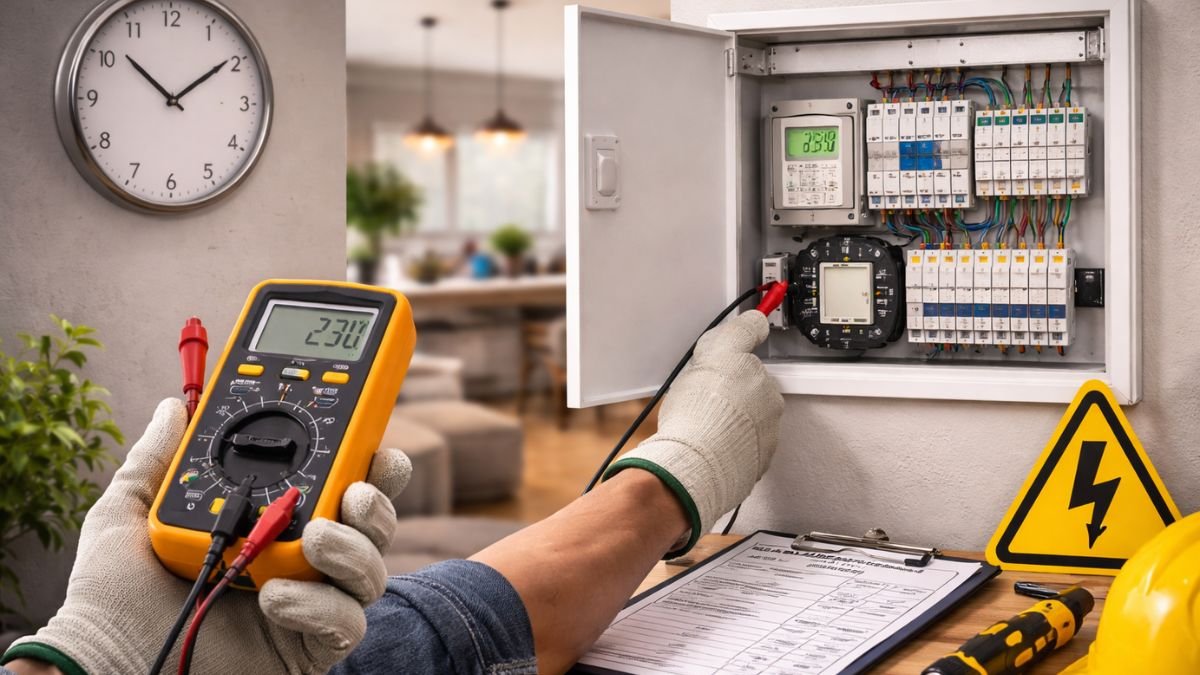
Electrical safety checks are a critical part of maintaining a safe, efficient, and compliant home or workplace. In today’s world, where electrical devices power nearly every aspect of daily life, neglecting regular inspections can lead to serious hazards such as electrical fires, equipment damage, and costly repairs.
Many homeowners and business owners often ask: how often should electrical safety checks be done? The answer depends on several factors, including the type of property, age of the electrical system, and usage levels.

This detailed guide explains the recommended frequency, why it matters, and how to ensure your electrical system stays safe and reliable.
What Are Electrical Safety Checks?
Electrical safety checks are systematic inspections of a property’s electrical systems, wiring, and appliances to ensure they are functioning safely and efficiently.
These checks help identify faults, wear and tear, outdated components, and potential risks before they escalate into serious issues.

A comprehensive safety check typically includes examining wiring, circuit breakers, sockets, switches, earthing systems, and electrical appliances.
Why Electrical Safety Checks Are Important
1. Prevent Electrical Fires
Faulty wiring and overloaded circuits are among the leading causes of electrical fires. Regular inspections help detect these risks early and prevent dangerous situations.
2. Ensure Appliance Safety
Defective appliances can cause electric shocks or short circuits. Safety checks ensure that all connected devices are operating correctly.
3. Maintain Energy Efficiency
An inefficient electrical system can lead to higher energy consumption. Regular checks help optimize performance and reduce electricity bills.
4. Compliance with Regulations
Many countries have strict electrical safety standards for homes and workplaces. Regular inspections ensure compliance and avoid legal issues.
5. Extend System Lifespan
Routine maintenance reduces wear and tear, helping your electrical system last longer and function better.
How Often Should You Do Electrical Safety Checks?
1. For Residential Homes
Every 5 to 10 Years (Standard Recommendation)
Most modern homes should undergo a full electrical inspection every 5 to 10 years. This ensures that wiring and systems remain safe and up to date.
Every 3 to 5 Years (Older Homes)
Homes older than 25 years require more frequent checks due to aging wiring and outdated components.
After Major Renovations
Any structural changes or electrical upgrades should be followed by a safety inspection to ensure proper installation.
When Buying or Selling a Property
A professional electrical inspection is essential to verify safety and avoid hidden issues.
2. For Rental Properties
Every 3 to 5 Years
Landlords should arrange inspections regularly to ensure tenant safety and comply with local laws.
Before New Tenants Move In
A quick safety check ensures that everything is in proper working condition before occupancy.
3. For Commercial Properties
Every 1 to 3 Years
Businesses should conduct inspections more frequently due to higher electrical usage and equipment load.
High-Risk Environments (Annually)
Industries such as manufacturing or construction require yearly checks because of increased electrical demand and risk.
4. For Appliances and Portable Devices
Annual Testing
Portable Appliance Testing (PAT) should be conducted yearly for frequently used devices.
Regular Visual Inspections
Check cords, plugs, and devices regularly for signs of wear or damage.
Signs That You Need an Immediate Electrical Safety Check
Even if your inspection schedule is up to date, certain warning signs indicate the need for an immediate check.
1. Frequent Circuit Breaker Trips
This could signal overloaded circuits or faulty wiring.
2. Flickering or Dimming Lights
Often caused by unstable voltage or poor connections.
3. Burning Smell or Sparks
These are serious warning signs that require immediate professional attention.
4. Warm or Discolored Outlets
Overheating outlets can indicate wiring issues.
5. Buzzing Sounds from Electrical Fixtures
This may point to loose wiring or faulty components.
What Is Included in an Electrical Safety Inspection?
1. Visual Inspection
1.1 Checking Wiring Condition
Inspecting visible wiring for damage or wear.
1.2 Examining Sockets and Switches
Ensuring all outlets and switches are functioning properly.
2. Testing Electrical Systems
2.1 Circuit Testing
Verifying that circuits are not overloaded and function correctly.
2.2 Earthing and Bonding Checks
Ensuring proper grounding to prevent electric shocks.
3. Electrical Panel Assessment
3.1 Circuit Breaker Functionality
Checking for proper operation and safety.
3.2 Load Distribution
Ensuring electricity is evenly distributed across circuits.
4. Appliance Testing
4.1 PAT Testing
Testing portable appliances for safety and compliance.
4.2 Plug and Cable Inspection
Checking for frayed wires or loose connections.
Who Should Perform Electrical Safety Checks?
While homeowners can perform basic visual inspections, comprehensive safety checks should always be carried out by a qualified electrician. Professionals have the tools and expertise to detect hidden issues and ensure compliance with safety standards.
Cost of Electrical Safety Checks
The cost of an inspection varies depending on the size of the property, complexity of the electrical system, and location. While it may seem like an additional expense, regular safety checks can save money in the long run by preventing major repairs and accidents.
Tips to Maintain Electrical Safety Between Inspections
1. Avoid Overloading Outlets
Do not plug too many devices into a single socket.
2. Use Quality Electrical Products
Invest in certified and high-quality components.
3. Keep Electrical Systems Dry
Avoid exposing electrical devices to water or moisture.
4. Replace Damaged Cords Immediately
Frayed or damaged cables should be replaced without delay.
5. Educate Household Members
Ensure everyone understands basic electrical safety practices.
Benefits of Regular Electrical Safety Checks
Regular inspections provide peace of mind and ensure your property remains safe. They help prevent accidents, improve energy efficiency, and maintain the value of your property. Additionally, they reduce the risk of unexpected electrical failures.
Electrical safety checks are not something to overlook or delay. The frequency depends on your property type, age, and usage, but regular inspections are essential for maintaining safety and efficiency.
By following recommended schedules and addressing issues promptly, you can protect your home, appliances, and loved ones from potential hazards. Investing in routine electrical safety checks is a small step that delivers long-term safety, reliability, and cost savings.
FAQs
1. How often should a homeowner check electrical systems?
A full inspection is recommended every 5 to 10 years, or more frequently for older homes.
2. Are electrical safety checks mandatory?
In many regions, they are required for rental and commercial properties to ensure safety compliance.
3. Can I perform electrical safety checks myself?
You can do basic visual checks, but professional inspections are necessary for thorough evaluation.