
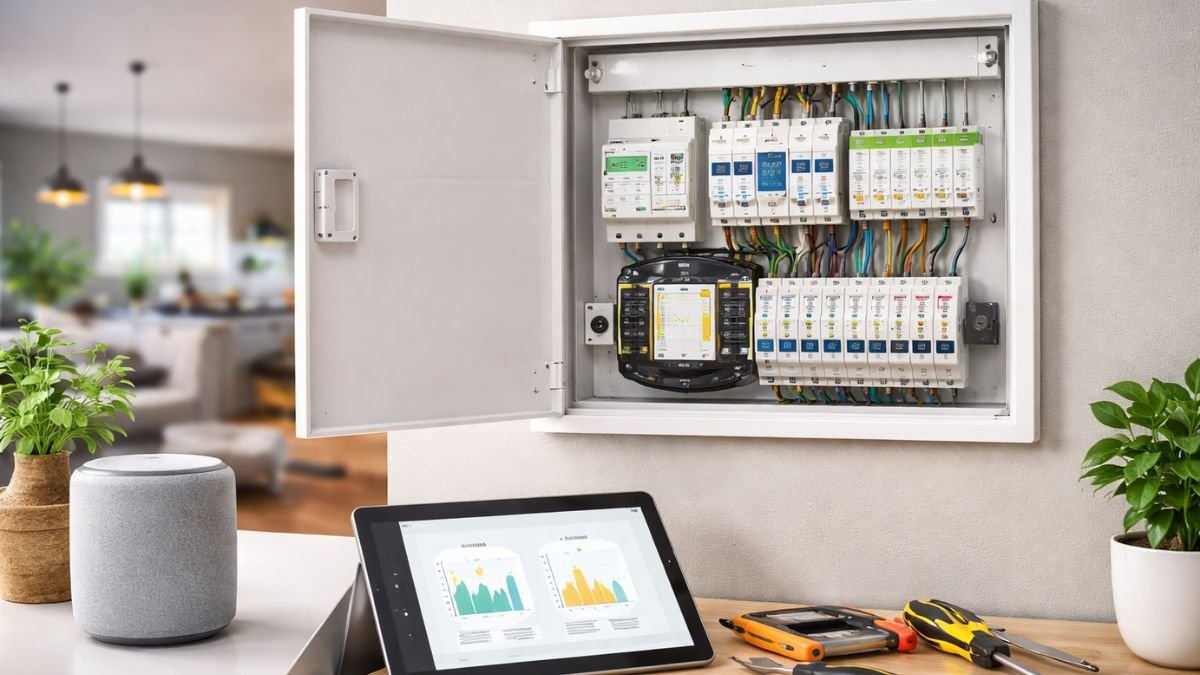
In 2026, electrical systems are evolving faster than ever, driven by increased energy demands, smart technology adoption, and stricter safety regulations.
At the center of every building’s electrical infrastructure lies the switchboard—often overlooked, yet critically important.

Whether for residential, commercial, or industrial properties, upgrading your switchboard is no longer optional; it is a necessity for safety, efficiency, and future readiness.
This comprehensive guide explains why switchboard upgrades are essential in 2026, what risks outdated systems pose, and how modern switchboards support today’s energy needs.
Understanding the Role of a Switchboard
A switchboard is the central hub of your electrical system. It distributes electricity from the main supply to different circuits within a property and ensures that power flows safely and efficiently.
What Does a Switchboard Do?
- Controls and distributes electrical power
- Protects circuits from overload and short circuits
- Houses safety devices like circuit breakers and fuses
- Enables isolation of electrical sections for maintenance

Modern switchboards go beyond basic distribution—they integrate advanced safety features and support smart energy systems.
Why Switchboard Upgrades Are Critical in 2026
With technological advancements and increased electricity consumption, older switchboards are struggling to keep up. Here are the key reasons upgrades are essential.
1. Increased Electrical Demand in Modern Homes and Businesses
Today’s households and workplaces use far more electricity than ever before.
Rise of Smart Devices

From smart thermostats to home automation systems, modern living depends on connected devices that require stable electrical support.
Electric Vehicles (EVs)
Charging stations for electric vehicles place significant load on existing systems, often exceeding the capacity of outdated switchboards.
High-Powered Appliances
Air conditioners, induction cooktops, and advanced computing systems demand more power, increasing the risk of overload.
2. Enhanced Safety Requirements
Electrical safety standards have become stricter in 2026 to prevent accidents and hazards.
Protection Against Electrical Fires
Old switchboards with outdated fuses are more prone to overheating, which can lead to electrical fires.
Modern Safety Devices
New switchboards include:
- Residual Current Devices (RCDs)
- Circuit breakers with faster response times
- Surge protection systems
Compliance with Updated Regulations
Upgrading ensures compliance with current electrical codes, reducing legal and insurance risks.
3. Prevention of Electrical Faults and Power Failures
Frequent Tripping Issues
Older systems often trip due to overload, disrupting daily operations.
Voltage Fluctuations
Unstable power can damage sensitive electronics, including computers and smart appliances.
Reduced Downtime
Modern switchboards provide reliable power distribution, minimizing interruptions.
4. Energy Efficiency and Cost Savings
Optimized Energy Distribution
Upgraded systems ensure electricity is distributed efficiently, reducing wastage.
Lower Electricity Bills
Efficient systems reduce energy consumption and improve overall performance.
Integration with Renewable Energy
Modern switchboards support solar panels, battery storage, and energy monitoring systems.
5. Future-Proofing Your Property
Compatibility with Smart Grids
New switchboards are designed to integrate with evolving smart grid technologies.
Scalability
Upgraded systems allow easy expansion for future electrical needs.
Increased Property Value
A modern electrical system adds value and appeal to buyers and tenants.
Signs Your Switchboard Needs an Upgrade
Recognizing early warning signs can prevent serious issues.
1. Frequent Circuit Breaker Trips
Indicates the system is overloaded or outdated.
2. Flickering Lights
Often caused by unstable electrical distribution.
3. Burning Smell or Heat
A serious warning sign of overheating components.
4. Old Ceramic Fuses
Outdated fuse systems lack modern safety features.
5. Limited Capacity
If adding new appliances causes issues, your switchboard may be insufficient.
Benefits of Upgrading Your Switchboard
Upgrading offers both immediate and long-term advantages.
1. Improved Safety
Reduces risk of electrical shocks and fires.
2. Reliable Power Supply
Ensures consistent electricity for all devices.
3. Support for Modern Technology
Handles smart systems, EV chargers, and renewable energy setups.
4. Compliance with Regulations
Meets current safety and legal standards.
5. Peace of Mind
Knowing your electrical system is safe and efficient.
Types of Modern Switchboards in 2026
Understanding available options helps in choosing the right upgrade.
1. Main Switchboards
Control the entire electrical system of a property.
2. Distribution Boards
Distribute power to specific areas or circuits.
3. Smart Switchboards
Offer real-time monitoring and control through mobile apps.
4. Solar-Ready Switchboards
Designed to integrate with solar energy systems and batteries.
Cost of Switchboard Upgrades in 2026
The cost varies depending on several factors:
1. Size of Property
Larger properties require more complex systems.
2. Type of Switchboard
Smart and solar-compatible boards may cost more.
3. Installation Complexity
Older buildings may require additional wiring upgrades.
4. Additional Features
Surge protection, monitoring systems, and EV compatibility can increase costs.
While the upfront investment may seem significant, the long-term savings and safety benefits outweigh the costs.
Steps Involved in a Switchboard Upgrade
1. Assessment by a Licensed Electrician
A professional evaluates the current system and identifies issues.
2. Planning and Design
The new switchboard is designed based on current and future needs.
3. Installation
Old components are removed and replaced with modern equipment.
4. Testing and Certification
Ensures the system meets safety standards and operates correctly.
Common Mistakes to Avoid
1. Delaying the Upgrade
Ignoring warning signs can lead to serious hazards.
2. Choosing Cheap Components
Low-quality materials compromise safety and durability.
3. DIY Installation
Switchboard upgrades should always be handled by professionals.
4. Ignoring Future Needs
Plan for future expansions like EV chargers or solar panels.
Switchboard upgrades are no longer just a maintenance task—they are a critical investment in safety, efficiency, and future readiness. With rising energy demands, stricter safety regulations, and the rapid adoption of smart technologies in 2026, outdated switchboards pose significant risks.
Upgrading ensures reliable power, protects your property from electrical hazards, and prepares your system for future innovations such as electric vehicles and renewable energy integration.
Whether you are a homeowner or business owner, upgrading your switchboard is a smart and necessary step toward a safer and more efficient electrical system.
FAQs
1. How often should a switchboard be upgraded?
Switchboards typically need upgrading every 20–30 years, or sooner if there are safety issues or increased power demands.
2. Is a switchboard upgrade mandatory in 2026?
While not always mandatory, many regions require upgrades to meet updated safety standards, especially during renovations or property sales.
3. Can I upgrade my switchboard without rewiring the entire house?
Yes, in many cases, a switchboard can be upgraded independently, but older wiring may also need improvement depending on its condition.